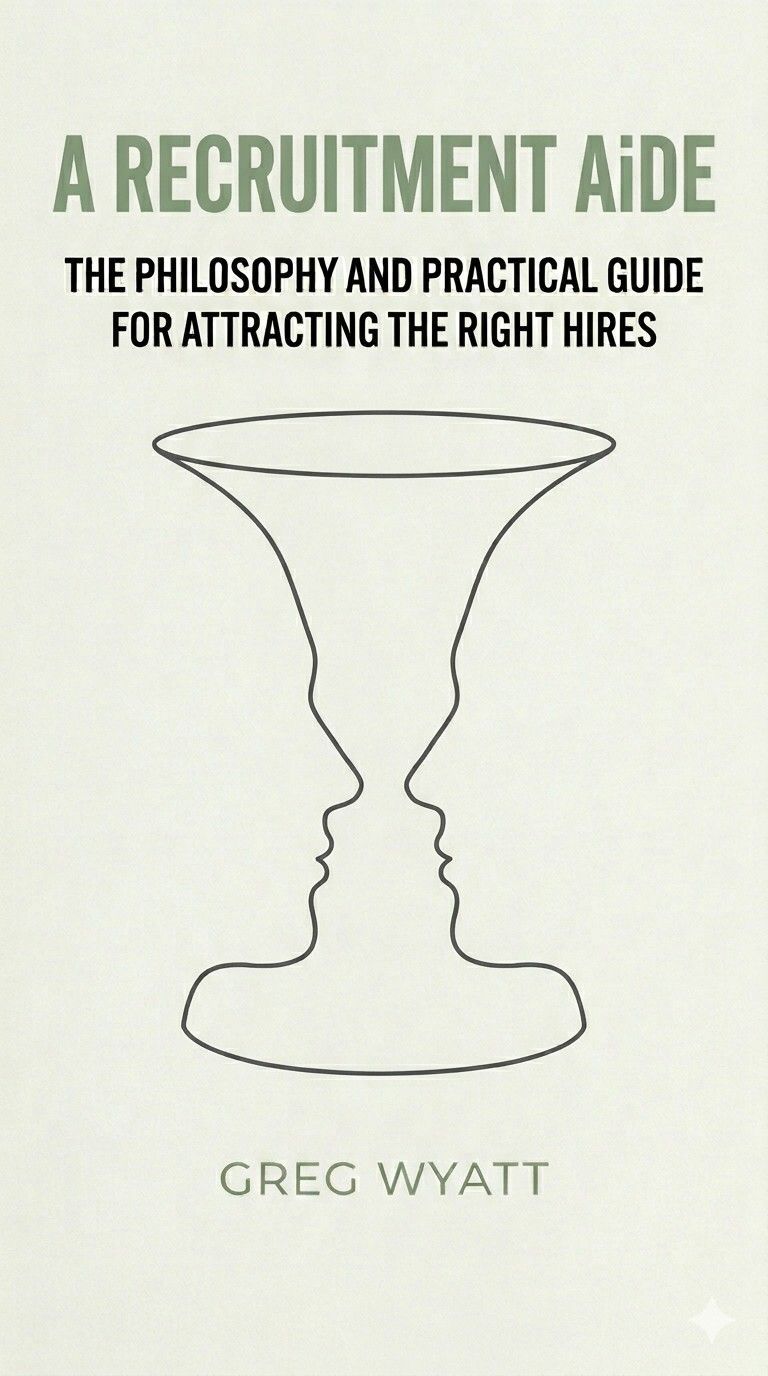
A home exnovation project
Exnovation: the deliberate process of phasing out, terminating, or removing a technology, product, practice, or innovation.
I find it interesting how there is a proclivity to chase the shiny when new technology is launched, irrespective of the problems it actually solves.
It makes me think of those home renovation shows, where you see a couple freshening up their house by slapping on a lick of paint, often with a roller smooshed cavalierly in a diagonal.
It's unreasonably enervating, almost as much as people posting a screengrab of their phone on LinkedIn and no one notices they have 11% battery charge at 10.42am.
I realise this may be a Greg problem.
But then I think about my own approach to painting, ingrained into me by my father-in-law in his trips over from Canada. Wonderful times.
First you prep the room, so you have full access to every nook and cranny that needs painting.
You give the walls a good clean. You look for cracks and problems that have appeared over time. You fill in and repair those cracks (Toupret is an amazing product for wood, you can thank me later). You sand. You clean the walls and vacuum. You double check then inevitably fill in more cracks caused by the sanding.
Then you cut in, maybe after using decorator's tape. Followed by last of all careful use of rollers. No holidays! (perhaps not a conventional phrase but if you've ever noticed a dried drip of paint standing proud, or a neglected patch of unpainted wall, that was a careless holiday).
If you're lucky/highly skilled you can do it in one coat.
If you're unlucky you get told to do the lead-based paint window sills. Nope not sanding, the chemicals are rubbish, although a steam solution did the job after much research on the risks.
Either way, the most important element for a good finish is what you took away, what you repaired, and how you prepared the base for your build.
Why not do that in recruitment?
How often do we spend time on our work with the intent of improving it, yet we don't strip back what makes our job harder?
How often do we go back to basics, examine those basics and establish if they need removing, replacing, improving or leaving intact?
After all you wouldn't paint the walls before ripping up the kitchen floor. Though you might paint them before installing the new units.
The last few months have created an AI perfect storm in recruitment. AI optimised CVs sent by AI mass-apply services to AI written job adverts, filtered into neat pots by AI, before review by under-resourced talent acquisition teams.
I predicted this in 2023, though this article is the oldest evidence to hand.
The temptation might be to de-emphasise advertising or find better ways to sift. Yet this is just splodging on the paint diagonally. Why not reset, exnovate and think about what we really want, before rebuilding effectively?
I'd argue that the lessons from copywriting would solve a lot of the problems AI has created, and you can implement these lessons without changing your tech stack.
Given the challenges job seekers and other candidates face, writing for their professional identity stands out in a way dynamic market leaders won't.
Building trust through clear, unambiguous messaging.
Paring back from the bullet point nightmare of shopping list job descriptions.
Communicating for that one person you want to take a step forward in your process.
With the benefit that, everything else being equal, you'll receive fewer unsuitable applications. Given you give people who actually read adverts agency not to apply.
While for AI optimisation, there are fewer keywords to grab, meaning less homogeneous optimisation. I can't prove this other than anecdotally, from following people who write more effective job adverts. Though the logic that shopping list adverts effectively give a clearer prompt to AI for optimising seems clear.
I'm not suggesting guerrilla warfare adverts designed to beat AI. Simply that reducing unnecessary keywords, adding context, giving people reason to take the right action - these work on many levels.
After all "Beat the Bots" isn't and shouldn't be a thing in recruitment.
It's a fairly simple A/B type test. Run the cookie cutter job advert in parallel to one written to that one ideal reader.
This is messaging as a consequence of intentional recruitment, and which can be applied in any channel.
Because the same boilerplate advert message is often found in outreach.
And I predict that the next emergent behaviour in recruitment will be ideal candidates being swamped by AI optimised, mass-sent recruitment messages. Something you can already see with job seekers, where the scam messages from fake recruiters are above average in quality. That's the competition.
Instead, that message for the right person, delivered in the right way, has a better chance of starting a conversation with the right person.
Of course the above is about the situation with job adverts, but I'd argue that every innovation we've jumped on is worth examining to see whether it actually takes away from what we want to achieve.
While intentionally removing elements that hold us back can lead to different innovations. Such as removing the requirement for a degree to access new candidate markets... unless a degree is actually required.
Or removing unnecessary requirements, to improve accessibility, your understanding of what good actually looks like, and access to more suitable candidates.
There's so much exnovation that can happen that will make all our lives easier, and improve experiences for candidates, employers and hiring processes.
Of course there isn't only one right answer. I write this through the lens of key hires - the challenge in volume hiring is different, needing intentional solutions.
But I do think that when we want to find an improvement, sometimes we have to pare back first, and sometimes that improvement might be an unexpected choice - such as wallpapering a wall with no cracks.
Thanks for reading.
Greg